


Introduction to Pickleball Paddles
Pickleball is a rapidly growing sport that combines elements of tennis, badminton, and table tennis. With its unique blend of skills and strategies, it has gained significant popularity across various age groups and skill levels. What makes pickleball particularly appealing is its accessibility; the game can be played both indoors and outdoors, accommodating players of diverse backgrounds. The sport not only promotes physical fitness but also fosters social interaction, making it a favorite pastime in many communities.
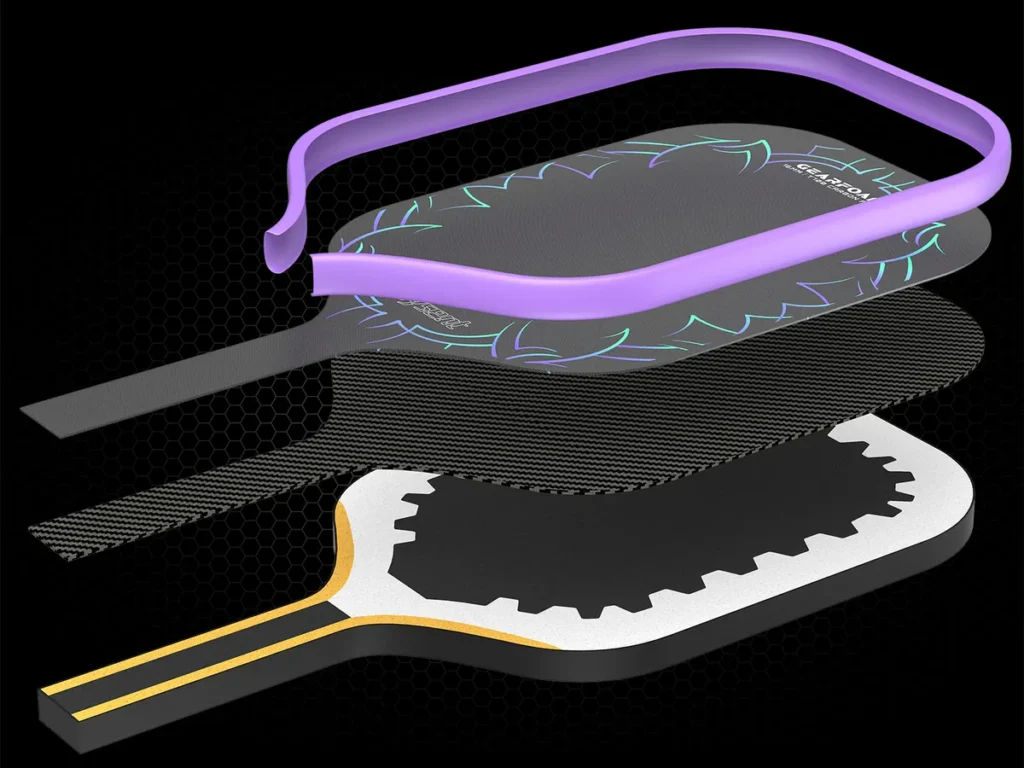
Central to the game of pickleball are the paddles, which play a crucial role in determining a player’s performance. Unlike traditional tennis racquets or badminton rackets, pickleball paddles are solid and usually made of lightweight materials such as composite, wood, or plastic. This difference in design not only affects the weight and ease of handling but also influences the overall gameplay experience. The paddles are designed to enhance control and precision, allowing players to execute powerful shots with finesse.
The significance of choosing the right paddle cannot be overstated. Each paddle has distinct characteristics that affect its performance, such as grip size, surface texture, and weight distribution. These features are tailored to accommodate different playing styles, whether one prefers a quick, agile approach or a more powerful, forceful strategy. As the sport evolves, customization options for bulk orders of pickleball paddles are also emerging, catering to teams and enthusiasts seeking unique designs. Understanding the importance of paddles in pickleball is vital for both new and experienced players, as the right equipment can significantly enhance enjoyment and competitive edge in the game.
Understanding Wholesale Pickleball Paddles
Wholesale pickleball paddles refer to the practice of purchasing paddles in bulk quantities, typically at a reduced price. This business model is particularly beneficial for retailers and sports shops aiming to maintain a competitive edge in the growing pickleball market. When retailers opt for wholesale purchases, they can acquire larger volumes of paddles at a discount compared to retail pricing, thereby maximizing their profit margins.
The concept of buying wholesale is centered around the economies of scale. The more paddles a retailer orders, the lower the per-unit cost becomes. This reduction in cost allows businesses to either increase their profit margins or offer competitive pricing to customers. Furthermore, wholesale transactions can simplify inventory management for sports shops by ensuring they have an ample supply of popular paddle models available for customers. As pickleball increases in popularity, having a diverse selection of paddles on hand can significantly enhance customer satisfaction and drive sales.
Additionally, wholesale buying empowers retailers to curate a wider range of products, from beginner paddles to advanced options suited for professional players. By sourcing a vast array of paddles at wholesale rates, shops can cater to the varying needs of their clientele while also creating a robust product offerings. In essence, wholesale pickleball paddles are not only a cost-effective solution but also a strategic approach to inventory management that can foster customer loyalty and satisfaction.
Types of Pickleball Paddles Available Wholesale
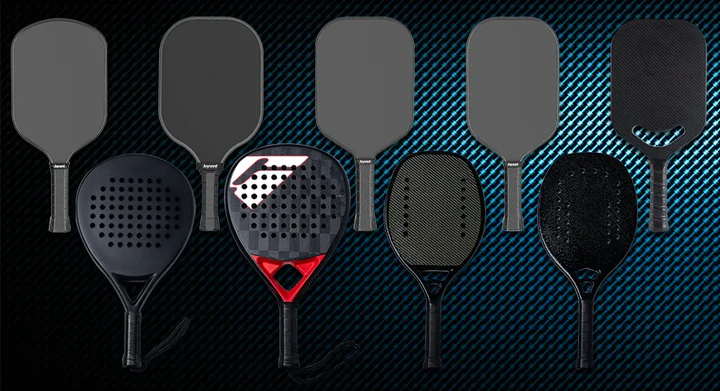
When considering the wholesale purchase of pickleball paddles, it is essential to recognize the variety of types available in the market. The main categories of pickleball paddles include wooden, composite, and graphite paddles, each with unique characteristics and advantages that cater to different player preferences and skill levels.
Wooden paddles are typically the most affordable option and are ideal for novice players or recreational use. These paddles are generally heavier, which can provide more stability and control during play. However, they tend to lack the power and finesse that experienced players might desire. As a result, wooden paddles are often seen in schools or community recreational centers where cost-effective solutions are paramount.
In contrast, composite paddles are constructed using a blend of materials, which allows for a balance between weight and power. These paddles often feature a honeycomb core, offering better ball control and a larger sweet spot compared to wooden paddles. Composite paddles cater to intermediate players and are favored in competitive environments due to their improved performance and durability.
Graphite paddles represent the high-end segment of the market. They are known for their lightweight design, which allows players to generate quick swings and enhanced maneuverability. Graphite paddles also offer superior stiffness, which translates to increased power and responsiveness. Typically, these paddles are targeted towards advanced players who prioritize performance and are willing to invest in their equipment.
Ultimately, the choice between these paddle types depends on the target market and the player’s skill level. Wholesale distributors should carefully assess which options to stock based on the preferences of their customer base, ensuring a well-rounded selection that meets the diverse needs of pickleball enthusiasts.
Custom Pickleball Paddles: The Personalized Touch
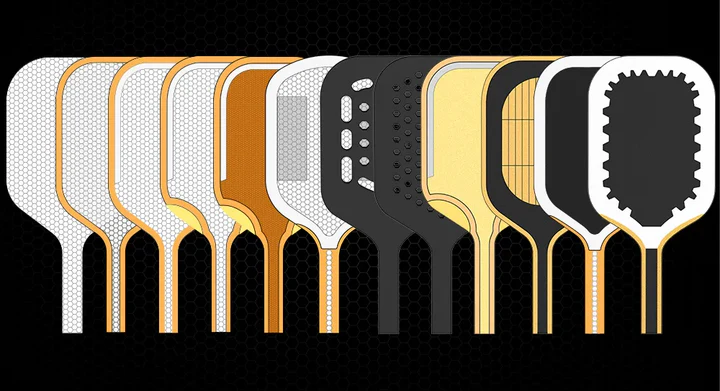
Custom pickleball paddles have become increasingly popular among players and teams seeking to express individuality and foster a sense of community. The customization process typically begins with selecting the paddle’s base model, which varies in materials, shapes, and weights. Players can then choose their preferred grip sizes and performance characteristics, tailoring each paddle to their unique playing style.
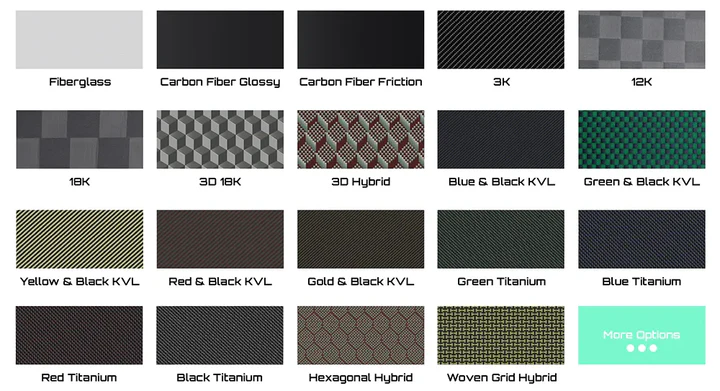
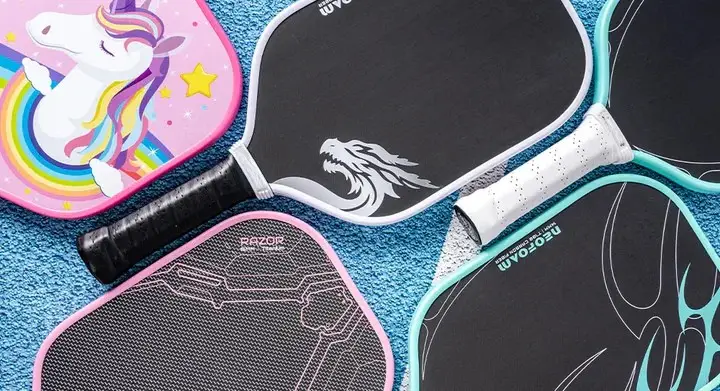
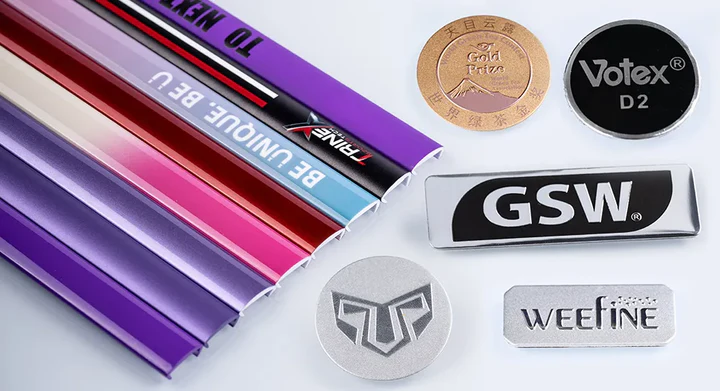
Once the base model is selected, the real personalization begins. Customers can choose from a variety of colors, patterns, and designs to create a visual representation of their personality or team’s identity. Many manufacturers offer options for full-color printing, allowing for intricate designs or logos that can reflect a team spirit, sponsorship, or event branding. This not only makes the paddle visually appealing but also serves as a statement piece that enhances team unity.
Moreover, personalizing pickleball paddles can significantly impact customer satisfaction. Players who use custom paddles often feel a stronger connection to their equipment, and this emotional investment can enhance their overall experience on the court. This personalization allows players to perform at their best while enjoying a paddle that resonates with their identity. For teams, having custom paddles can elevate group morale and create a cohesive look during tournaments or events, facilitating brand recognition among competitors and spectators alike.
Custom pickleball paddles not only serve functional purposes but also contribute to the social aspect of the sport. Whether for casual play, competitive leagues, or promotional events, these paddles embody a personalized touch that showcases players’ personalities and teams’ values. By embracing the customization process, players can enjoy a distinct advantage, setting themselves apart in both performance and presence.
Benefits of Choosing Custom Pickleball Paddles
Custom pickleball paddles offer a multitude of advantages that can significantly enhance both gameplay and the overall experience of the players. One of the most notable benefits is the opportunity for personalization. Players can select specific designs, colors, and textures that resonate with their individual styles. This custom approach not only makes the paddle aesthetically pleasing but also fosters a deeper connection between the player and their equipment, potentially boosting confidence during gameplay.
Furthermore, custom paddles can be tailored to suit the specific needs and preferences of individual players. This means that factors such as grip size, weight distribution, and material can be optimized to align with a player’s unique playing style. Such personalization can lead to improved performance on the court, as these paddles can enhance control, power, and maneuverability, giving players a competitive edge.
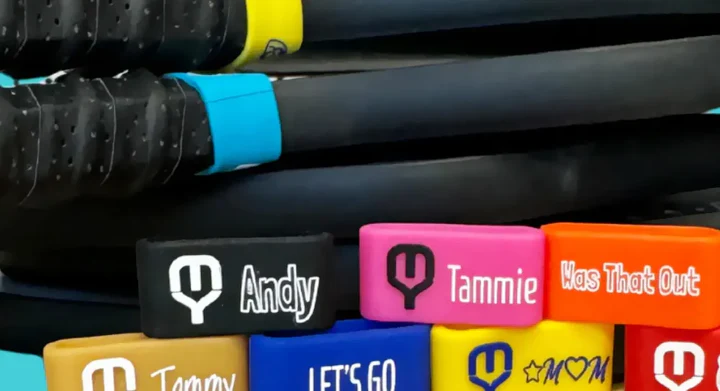
Teams and organizations can also take advantage of custom pickleball paddles as a means to enhance team spirit and unity. By providing customized paddles engraved with team logos or names, team members can foster a stronger bond and create a sense of belonging. This not only boosts morale but also instills pride in the team as they represent their collective identity while participating in competitions.
In addition to improving gameplay and team spirit, custom paddles can also serve as a unique marketing opportunity. Businesses can utilize custom paddles as promotional items, allowing them to advertise their brand while engaging with the sports community. Such marketing strategies can elevate brand recognition within niche markets like pickleball, where players appreciate high-quality, personalized equipment.
Factors to Consider When Buying Wholesale or Custom Paddles
When retailers consider the purchase of wholesale or custom pickleball paddles, several critical factors come into play. These elements not only affect the quality and performance of the paddles but also influence customer satisfaction and the retailer’s bottom line.
One of the foremost factors is the weight of the paddle. Pickleball paddles vary significantly in weight, typically ranging from light to heavy, and this variance can impact play style. Lighter paddles are generally preferred for their maneuverability and quick reactions, while heavier options may provide more power and stability. Retailers should consider the average preferences of their target customers and choose paddles that align with the predominant style of play within their demographic.
Another key aspect to evaluate is the grip size. The grip is often overlooked, yet it significantly affects a player’s comfort and control. An improper grip can lead to discomfort or even injury during play. Retailers should ideally offer a range of paddle grip sizes to accommodate different hand sizes, enhancing the usability and appeal of their inventory.
Cost is also a determining factor in purchasing decisions. Retailers must balance quality with their budget constraints, seeking suppliers that offer competitive pricing without compromising on the material or craftsmanship of the paddles. Conducting a thorough cost analysis, including shipping and potential duties, ensures that retailers understand the total investment required.
Lastly, the choice of supplier is crucial. Reliable suppliers should offer not just quality products but also transparent communication and support. Building a good relationship with suppliers can lead to better pricing, availability, and customer service. By considering these factors—paddle weight, grip size, costs, and supplier reliability—retailers can make informed purchasing decisions that align with their business strategies and customer needs.
Marketing Strategies for Wholesale and Custom Pickleball Paddles
In the competitive realm of sports equipment, particularly in the niche market of pickleball paddles, adopting effective marketing strategies is essential for businesses focusing on wholesale and custom products. One pivotal approach involves leveraging online advertising. Platforms such as Google Ads and Facebook Ads allow businesses to target specific demographics, ensuring that marketing messages reach potential customers who are interested in pickleball. Sponsored posts and targeted advertisements can create strong visibility for wholesale offerings, appealing to retailers and individual consumers alike.
Social media engagement plays an equally crucial role. By maintaining an active presence on platforms like Instagram, Twitter, and Facebook, companies can interact directly with the pickleball community. Creating visually appealing content that showcases custom pickleball paddles, including videos and images featuring athletes using the products, can enhance brand recognition and interest. Moreover, hosting contests or giveaways can stimulate customer involvement and broaden reach. Encouraging user-generated content by asking customers to share their experiences with the paddles can cultivate a sense of community and encourage brand loyalty.
Collaborating with sports influencers is another effective marketing strategy. Influencers who specialize in pickleball or sports-related content have the potential to reach a vast audience. By partnering with these individuals to promote wholesale and custom paddles, brands can tap into established trust and credibility within the community. Such collaborations might include product reviews, demonstrations, or sponsored content that highlights distinctive features of the paddles. This not only drives sales but also amplifies brand visibility in a crowded market.
Trends in the Pickleball Paddle Industry
The pickleball paddle industry is currently experiencing a dynamic transformation, influenced by various trends that reflect consumer preferences and technological advancements. One significant trend is the increasing focus on sustainable materials in paddle manufacturing. As awareness regarding environmental issues grows, manufacturers are adopting eco-friendly materials such as recycled composites and responsibly sourced wood to appeal to environmentally conscious players. This shift not only reduces the ecological footprint of production but also resonates with a consumer base that prioritizes sustainable practices.
Another important trend is the advancement in paddle technology. Innovations in materials and design, such as the introduction of carbon fiber and polymer cores, have enhanced paddle performance by improving the balance between power and control. Players are increasingly seeking paddles that offer distinct advantages, such as greater durability, lower weight, and superior grip. This demand has led to a proliferation of options in the market, catering to various playing styles, skill levels, and budget ranges.
Furthermore, consumer preferences are evolving as the sport of pickleball gains popularity across diverse age groups. Younger players often gravitate towards colorful, modern designs that reflect their individuality, while older players might prioritize comfort and ease of use. Additionally, there is a rising interest in custom pickleball paddles that allow players to personalize their equipment. This trend highlights the importance of aesthetics along with performance, prompting manufacturers to offer customizable options that cater to personal tastes.
Overall, the pickleball paddle industry is adapting to meet the changing needs of players, driven by sustainability, technological innovation, and personalization. As these trends continue to shape the market, they promise to enhance the overall pickleball experience for players worldwide.
Conclusion and Future of Pickleball Paddles
In considering the extensive evolution of pickleball paddles, it becomes evident that both wholesale and custom options play pivotal roles in satisfying the diverse needs of the pickleball community. The rising popularity of pickleball has created a demand for a wide variety of equipment, particularly paddles that cater to different skill levels, playing styles, and aesthetics. Wholesale options typically provide players with cost-effective solutions, making high-quality paddles accessible to a broader audience.
On the other hand, custom pickleball paddles empower enthusiasts to select specifications that perfectly match their personal preferences and performance requirements. Customization can range from choosing unique materials to tailored grip sizes, allowing players to enhance their game through a personalized touch. As understanding of these options deepens within the pickleball community, retailers can better align their offerings with what resonates most with players, thereby improving satisfaction and loyalty.
Looking ahead, the future of pickleball paddles appears promising, propelled by ongoing innovations in materials and design technology. Manufacturers are likely to continue exploring eco-friendly materials, enhancing durability and performance without compromising on quality. Moreover, integration of smart technology within paddles could revolutionize player training and technique by providing real-time feedback on performance metrics.
In essence, the dual presence of wholesale and custom paddle options signifies a dynamic market that constantly adapts to the needs and expectations of players. As the sport grows and evolves, so too will the innovations surrounding pickleball paddles, ensuring that players have access to the tools they need to enjoy and excel in the game.